










Among all the Internet subcultures and groups, the furries are the most innocent, fun, and creative-looking. Blurring the lines between fandoms of the animal kingdom, cartoons, cosplayers, and real-life avatars, they attract people from all over the world and all ages. Despite being targeted and misrepresented, this community has stepped up on security to protect its members – especially the youngest.
Who are the furries?
- Furries are members of a subculture interested in anthropomorphic animals — fictional animals with human traits (like walking upright, speaking, wearing clothes, expressing emotions).
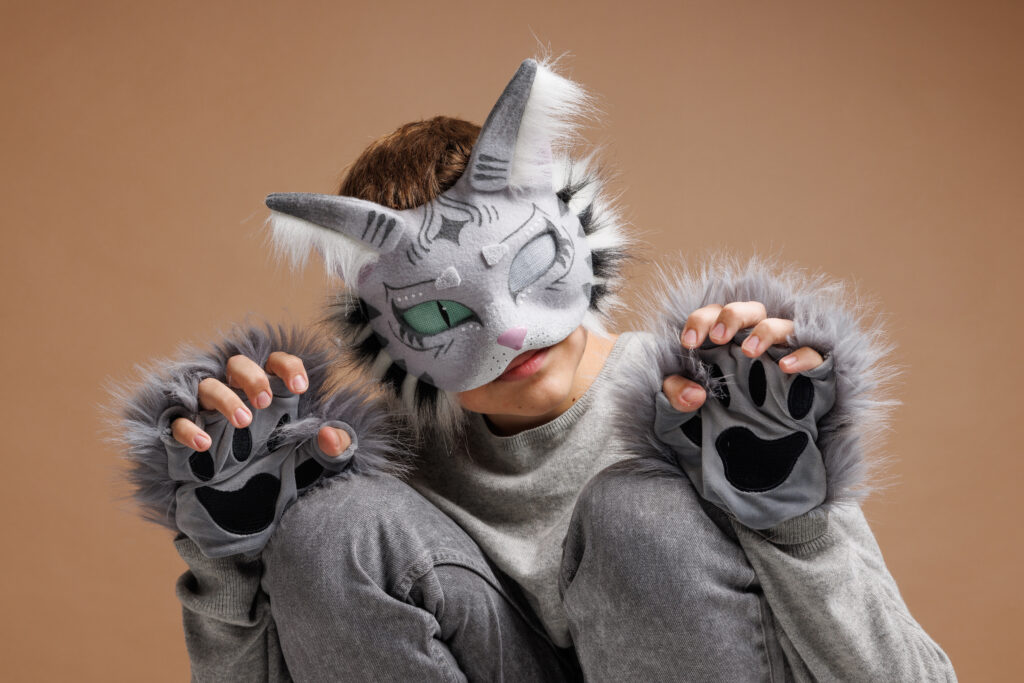
This interest may manifest through various forms, including art, costumes (known as fursuits), role-playing, storytelling, gaming, online forums, and social networks.
The concept of human-like animals is not new: it appears in folklore, mythology (e.g., Egyptian gods like Anubis), and early animation (e.g., Mickey Mouse, Bugs Bunny). However, the modern furry fandom emerged in the 1980s, evolving from sci-fi and comic conventions (especially those focusing on anthropomorphic animals).
More recently, online communities such as Fur Affinity, SoFurry, Reddit, and Telegram allowed the fandom to flourish in the 2000s.
Online identity and fursonas
Not all furries wear costumes, and not all who enjoy anthropomorphic animals identify as “furries.” Among those who do, many create fursonas, personalized anthropomorphic animal characters that represent them online or in art. Fursonas can reflect personal traits, aspirations, gender identity, or aesthetic preferences.
Furries may also express themselves through drawings, stories, animations, or virtual avatars.
The demographics of this group are mostly between 15 and 30 years old. The majority identify as male, but there’s a high representation of gender-diverse and LGBTQ+ individuals.
The furries also have various adjacent communities, such as the Scalies (interested in reptiles), the Bronies (fans of My Little Pony), the Otherkin (who believe they have a non-human soul/identity), and the Ponyplay or petplay (BDSM-related, often confused with furries, but distinct).
What do the furries do?
The furry fandom is one of the most artistically rich internet cultures, with independent creators thriving through commissions, webcomics, plushies, etc. Events like Anthrocon, Midwest FurFest, and Eurofurence draw thousands of attendees. They include panels, meetups, dances, charity events, and art markets.
Only ~15–20% of furries own full fursuits, which can be expensive and custom-made. Many participate through partials, digital avatars, or not at all.
Many furries also engage in online or tabletop roleplaying and write fanfiction or original fiction. Online games like FeralHeart, Second Life, or VRChat host furry communities.
Why do the furries appeal to people?
From a psychological and sociological aspect, studies have found that furries often use their fursonas as tools for self-exploration and identity development. The community provides acceptance, especially for those marginalized by gender, sexual orientation, or neurodiversity.
Indeed, many experience improved mental health outcomes due to community belonging and creative expression.
Incidents and misrepresentation
Furry communities are not inherently adult: many young people discover furries through art, cartoons, or online gaming. A significant portion of the fandom is 13–17 years old (before aging into the 18–30 majority). Because of this, community spaces face the same issues as any large internet fandom: exposure to NSFW material, grooming risks, and harassment.
Indeed, furry communities have had a few incidents involving children exposed to adult content. These have been later sensationalized by the media (notably a CSI episode and a Vanity Fair article). Common misconceptions include:
- Furries are sexually motivated: In reality, while some adults in the fandom explore sexuality, most participation is artistic, social, or identity-based.
- Furries believe they are animals: Some identify as therians or otherkin, but this is a minority. Most know it’s roleplay or symbolic.
- Fursuiting is required: The majority of furries do not own fursuits due to cost, comfort, or preference.
- It’s a fetish community: While adult content exists (as in many fandoms), the furry fandom as a whole is much broader and includes minors.
Unlike other Internet fandoms and communities, furries often exhibit high empathy, creativity, and strong online social networks.
Are furry communities safe?
Anonymity in furry spaces (granted by fursonas online and fursuits in person) overlaps with broader digital identity management issues. The anonymity of fursonas and decentralized moderation make furry spaces attractive targets for predators. However, the fandom has been increasingly proactive about community safety.
Furry communities have faced targeted harassment, doxxing, and misuse of art, making them early adopters of encrypted communication and content protection. This is why their platforms have strict policies around consent, content tagging, and community safety (with mixed enforcement success).
Overall, incidents are not systemic to the fandom: they rather face the same risks as in any large online subculture that mixes youth and adults (similar to anime or gaming communities).