








In 2011, the world met Lulz Security, better known as LulzSec, a rogue splinter group of the hacktivist collective Anonymous. Their name came from Internet slang: “lulz” (laughs at someone else’s expense) and “security,” a word they used ironically.
Where Anonymous was loosely political, LulzSec thrived on chaos and spectacle. Their goal wasn’t money or ideology: it was to expose weak systems and mock the institutions that guarded them.
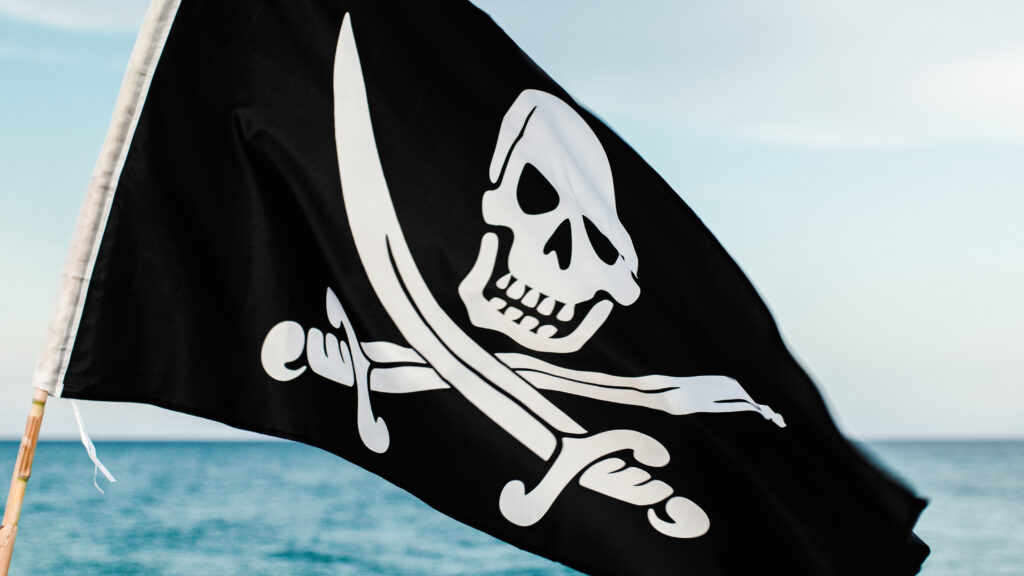
The group’s symbol (a cartoon pirate wearing a monocle and sipping wine aboard “The Lulz Boat”) became the banner for 50 days of mayhem that would change hacker culture forever.
The 50 days of LulzSec
LulzSec announced themselves to the world in May 2011 after breaching Fox.com, leaking login details of employees and contestants from The X Factor.
From there, their spree accelerated:
- PBS (Public Broadcasting Service) was hacked in retaliation for a documentary about WikiLeaks; LulzSec posted a fake story claiming Tupac was alive in New Zealand.
- Sony Pictures was compromised over 1 million user accounts, exposing plaintext passwords and emails.
- FBI-affiliated websites, among which several law enforcement portals and contractor networks were defaced or dumped.
- The U.S. Senate website was briefly taken offline as “proof of concept.”
- CIA.gov was taken down via a massive DDoS, just for “the lulz.”
They even launched a hotline number, encouraging the public to call in and suggest targets. It was part cyber-terrorism, part performance art.
The LulzSec crew
LulzSec’s core members included:
- Hector Monsegur ( “Sabu” ), a charismatic hacker from New York, previously part of Anonymous.
- Jake Davis (“Topiary”), a young Scottish writer and public face of the group.
- Ryan Ackroyd (“Kayla”), a British hacker known for social engineering.
- Mustafa Al-Bassam (“Tflow”), a teenage prodigy who handled infrastructure.
- Darren Martyn ( “Pwnsauce”) and Doncha O’Cearbhaill (“Virus”), Irish members tied to technical operations.
Operation AntiSec
After their 50-day rampage, LulzSec “disbanded” in June 2011, only to return weeks later under #AntiSec, a joint campaign with Anonymous. The new target: governments, militaries, and corporations.
They leaked thousands of documents from U.S. police agencies, defence contractors, and even private intelligence firms. But by then, the FBI was already closing in.
The Fall of the Lulz Boat
The turning point came when Sabu was arrested on June 7, 2011. Facing decades in prison, he agreed to cooperate with the FBI. For months, he continued chatting with LulzSec members online, secretly logging their activity and relaying it to agents.
In March 2012, coordinated raids across the U.S., U.K., and Ireland brought down the rest of the crew. For many, it echoed the betrayal of Adrian Lamo and Chelsea Manning years earlier.
The legacy of LulzSec
Though their campaign lasted less than three months, LulzSec’s impact was seismic: they humiliated corporations into improving security practices (Sony in particular rebuilt its defenses from scratch), they popularized hacktivism as a form of social commentary (a digital form of protest and satire), and they exposed the fragility of online infrastructure, proving that even high-profile systems could fall to basic exploits. LulzSec blurred the line between protest and prank, igniting the digital punk movement.
Today, former members like Mustafa Al-Bassam have turned to cybersecurity research, advocating for ethical hacking and transparency. Others, like Sabu, remain controversial.
To know more about LulzSec
The story of LulzSec is covered by several documentaries (most of which are dedicated to Anonymous), among which:
- “We Are Legion: The Story of the Hacktivists” (2012), contains firsthand interviews with LulzSec members and journalists who covered the group. It covers the LulzSec 50-day spree, the Sabu betrayal, and the FBI takedowns.
- “The Hacker Wars” (2014) explores the U.S. government’s prosecution of hacktivists including Barrett Brown, Jeremy Hammond, and Hector “Sabu” Monsegur. It's one of the most direct accounts of the LulzSec fallout, featuring interviews with Sabu’s associates and journalists who broke the story.
- “Anonymous: The Story of the Hacktivists” (2013) gives an overview of Anonymous operations such as Project Chanology, LulzSec, and AntiSec. It contains archival footage and voice recordings from LulzSec ops channels and press releases.