









It’s one of the most high-profile “fake persona” cases of the 2010s. Anna Sorokin—also known as Anna Delvey—is a striking example of social media–driven fraud and identity deception in the age of influencers. Catfishing, financial fraud, and elite manipulation are at the heart of this incredible scam, inspiring Netflix’s series “Inventing Anna.”
The Anna Sorokin case
Anna Sorokin, also known as Anna Delvey, was born in Russia and raised in Germany. Between 2016 and 2017, she posed as a German heiress, claiming access to a €60 million trust fund.
Anna embedded herself in the New York City elite by creating a lavish online persona on Instagram, wearing high-end fashion and participating in exclusive events. Thanks to her online popularity, she managed to live in luxury hotels for months without paying. Notably, she tricked individual friends (such as Rachel DeLoache Williams) into covering tens of thousands of dollars in hotel bills.
By claiming she was planning to launch a luxury private arts foundation called the Anna Delvey Foundation, she managed to scam hotels, private jets, and high-end friends. She also fooled banks and venture capitalists, nearly succeeding in getting a $22 million loan.
Anna Sorokin’s total fraud is estimated at $275,000–$300,000. She was caught in 2018 and convicted in 2019 of eight counts. She was charged with grand larceny, attempted grand larceny, and theft of services.
The role of social media in the Sorokin's case
Instagram was Anna’s main stage. She shared curated photos of fashion, travel, and VIP parties. She also used tagged locations and luxury branding to appear more credible. However, she also used LinkedIn and email spoofing to fake credentials and connect with banks and investors. She created fake email accounts posing as wealth managers and lawyers to validate her fake trust fund.
Anna implemented digital deception at scale: she exploited social proof, status bias, and FOMO.
- FOMO, or the fear of missing out, is the feeling of apprehension that one is either not in the know about or missing out on information, events, experiences, or life decisions that could make one's life better. It is characterized by a desire to stay continually connected with what others are doing, and can be described as the fear that deciding not to participate is the wrong choice. FOMO can lead to anxiety, impulsive behavior, and negative emotional states when unmet. It is often triggered by social media, where people may feel that others are having more fun, success, love, money, or other enjoyable things compared to them.
She also used catfishing without romance: this is a type of “financial catfishing” where she created an entirely false identity.
The most worrying aspect is that she passed casual verification: her Instagram, fashion, and circle gave her legitimacy, making her a cautionary tale in OSINT circles.
What happened to Anna Sorokin?
Anna Sorokin was sentenced to 4–12 years in prison in New York, but she served only four. She was released in 2021 but was immediately detained by ICE for overstaying her visa. She is currently fighting deportation, while under house arrest in NYC as of 2023.
Her story inspired the Netflix series “Inventing Anna,” produced by Shonda Rhimes and starring Julia Garner. The series was based on a New York Magazine article about Anna’s fraud.
At first, she was widely mocked and condemned. However, later, some praised her as a feminist antihero, “beating the system” like a real-life Catch Me If You Can. Over time, Anna has gained a fan base online, selling merch, creating fan art, and releasing interviews.
An emblem of class privilege
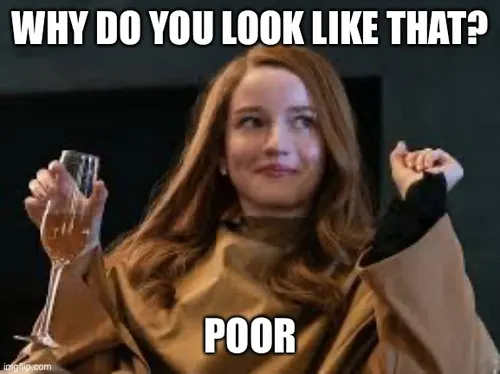
Since Anna’s story became known, “Delvey” has become a meme representing fake success and influencer grift. It also sparked debates on elite gullibility and class privilege, trust in “verified” social media identities, gender, and perception of white-collar fraud.
Today, Anna continues to profit from her image, including selling rights to her story, interviews, and NFTs.