










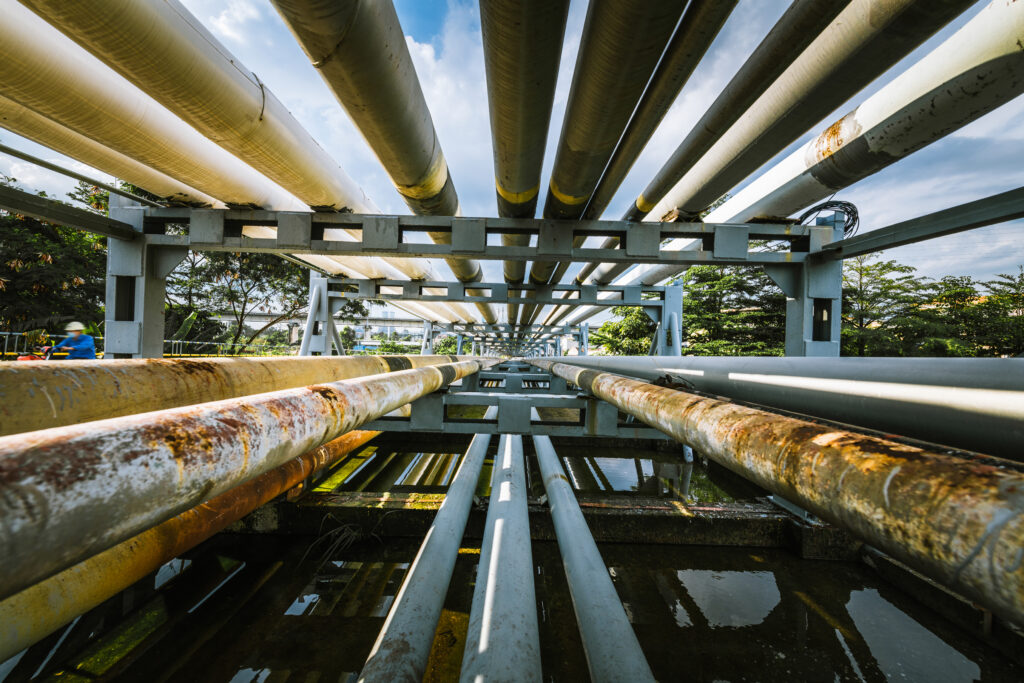
The Colonial Pipeline ransomware attack in May 2021 was one of the most impactful cyberattacks on critical infrastructure in U.S. history. It triggered widespread fuel shortages and demonstrated the fragility of digital infrastructure tied to physical systems.
What is Colonial Pipeline?
Colonial Pipeline Company is one of the largest fuel pipeline operators in the United States. It delivers about 45% of the fuel (gasoline, diesel, jet fuel) used on the East Coast, spanning over 5,500 miles from Texas to New Jersey.
What happened?
On May 6, 2021, Colonial Pipeline discovered ransomware in its IT environment. As a precaution, they shut down pipeline operations the next day. On May 9, the FBI confirmed that the DarkSide ransomware group was responsible for the attack.
On May 12, Colonial Pipeline paid approximately $4.4 million in Bitcoin ransom, and between May 13 and 17, they started to restore their operations gradually. Later in June, the DOJ recovered part of the ransom (about $2.3 million) via crypto tracking.
Who is the DarkSide Ransomware Group?
The DarkSide Ransomware Group is a Russia-based ransomware-as-a-service (RaaS) gang known for targeting large Western businesses.
They provided malware to affiliates, who executed the attacks and claimed the Colonial incident was financially motivated, not political.
DarkSide operated like a business — they had a “customer support” interface and offered decryption tools after the ransom was paid.
How did the attack happen?
The attackers reportedly gained access via a compromised VPN password that lacked multi-factor authentication (MFA).
Once inside the network, they exfiltrated nearly 100 GB of data before deploying ransomware. The Operational Technology (OT) systems (the pipeline control systems) were not directly infected. Colonial Pipeline shut them down proactively, fearing the ransomware could spread or affect safety systems.
Why did they pay the ransom?
Even though Colonial Pipeline had backups to restore their systems, they still paid the $4.4 million ransom in Bitcoin. After paying, the company received a decryption tool from the attackers. It was too slow, so they resorted to using their backups anyway.
So why did they pay?
They stated that they couldn’t afford to rely only on internal recovery options at the time. Colonial likely performed a risk-based analysis and determined that their downtime costs and international repercussions would amount to more than paying the ransom. The attack triggered a national emergency, and the U.S. government and the public exerted immense pressure to restore service.
The impact of the attack
The pipeline’s brief shutdown caused fuel shortages and panic buying across multiple East Coast states. Gasoline prices spiked, and airline fuel supply was temporarily disrupted.
Colonial Pipeline did not face direct legal penalties for paying the $4.4 million ransom, but the decision was highly controversial and came with regulatory scrutiny, reputational consequences, and lasting implications.
The legal loophole
At the time of the attack, paying ransom was not illegal under U.S. federal law unless the payment involved a sanctioned entity (as listed by the U.S. Treasury’s Office of Foreign Assets Control, or OFAC) and violated anti-money laundering (AML) or terrorism financing laws. In Colonial Pipeline’s case, the DarkSide group was not on OFAC’s sanctions list at the time of payment, so the payment itself was not unlawful.
The legacy of the Colonial Pipeline attack
The attack prompted the U.S. Executive Order 14028, which enhanced the national cybersecurity posture and software supply chain rules. It also produced the Pipeline Cybersecurity Directive (TSA), which included new rules for critical pipeline operators. The U.S. Government also boosted their efforts to curb ransomware operations internationally.
If Colonial were attacked today, things might be different:
Exit, Rebrand, Relaunch
The DarkSide ransomware group was disrupted shortly after the Colonial Pipeline attack, but it didn’t disappear entirely—it rebranded and evolved, as many ransomware groups do when under pressure. By July 2021, threat researchers (including Recorded Future, Emsisoft, and Flashpoint) observed that DarkSide re-emerged under the new name: BlackMatter.
By November 2021, BlackMatter also announced it was shutting down, citing pressure from law enforcement. However, several of its affiliates likely migrated to other Raas platforms, such as LockBit, Hive, and ALPHV (BlackCat). The latter is believed to be a direct successor of DarkSide/BlackMatter.