












The Jessica Colotl case inspired people from all over the United States to speak up and make a difference. Social media platforms became a catalyst for social and legislative change. The case of Jessica Colotl is now closed, but other people in her same situation have not been as lucky. Since her case became known to the public, social media advocacy has declined and is no longer making an impact. Here’s what changed.
Who is Jessica Colotl?
Jessica Colotl arrived in the United States from Mexico around age 10 or 11, as an undocumented immigrant. She grew up in Georgia and eventually enrolled at Kennesaw State University in fall 2006.
On March 29, 2010, she was pulled over by campus police for traffic infractions. She had no driver’s license and carried an expired Mexican passport. After making that stop, local authorities discovered her immigration status and turned her over to ICE. She was detained for approximately 35–37 days at a facility in Alabama.
She was originally issued a 30‑day removal order, but a Georgia judge granted a one‑year deferred deportation so she could finish school. That deferment was extended another year.
A case that changed immigration policies
Jessica Colotl swiftly became a symbol in the national immigration debate, particularly surrounding enforcement of INA § 287(g) and the treatment of undocumented students.
Her case drew sharp responses: her university’s president advocated for her, while state officials and gubernatorial candidates criticized universities enrolling undocumented students and using in-state tuition.
Her story fed into broader calls for the DREAM Act and influenced public policy discussions, including being cited in the context of President Obama’s DACA executive actions.
- The DREAM Act, which stands for the Development, Relief, and Education for Alien Minors Act, is a proposed bill in the United States that would provide a pathway to legal permanent residency and eventually citizenship for certain undocumented immigrants who were brought to the U.S. as children.
These individuals, often referred to as “Dreamers,” would need to meet specific requirements, including entering the U.S. before a certain age, having a clean criminal record, and demonstrating educational or military service.
- DACA, or Deferred Action for Childhood Arrivals, is a U.S. immigration policy that provides temporary protection from deportation and work permits to certain young immigrants who were brought to the U.S. as children. It allows eligible individuals to live and work in the U.S. without fear of deportation for a renewable two-year period.
The role of social media platforms
Social media played a significant role in the Jessica Colotl case as a catalyst for public debate, mobilization, and media amplification.
Once Jessica Colotl’s arrest and potential deportation became public knowledge in 2010, social media platforms like Facebook, Twitter, and blogs helped transform her story from a local immigration case into a national flashpoint.
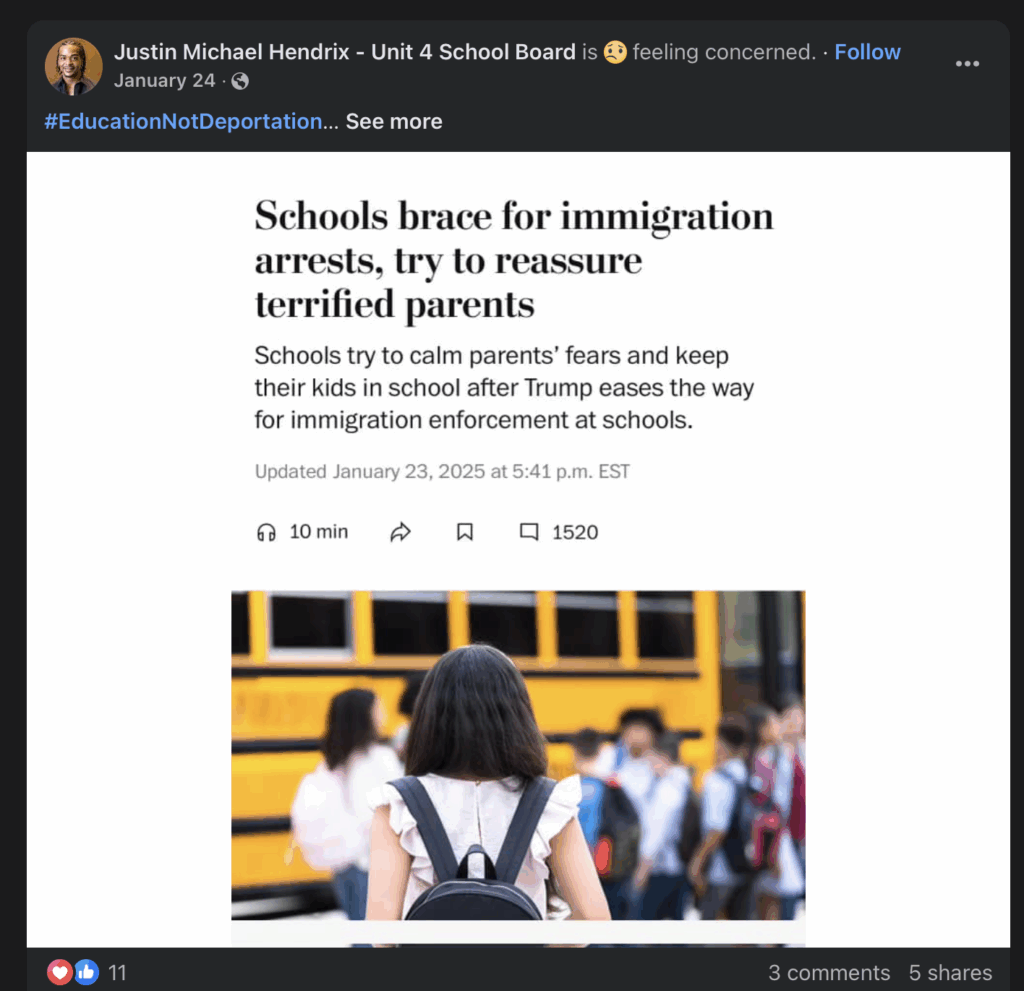
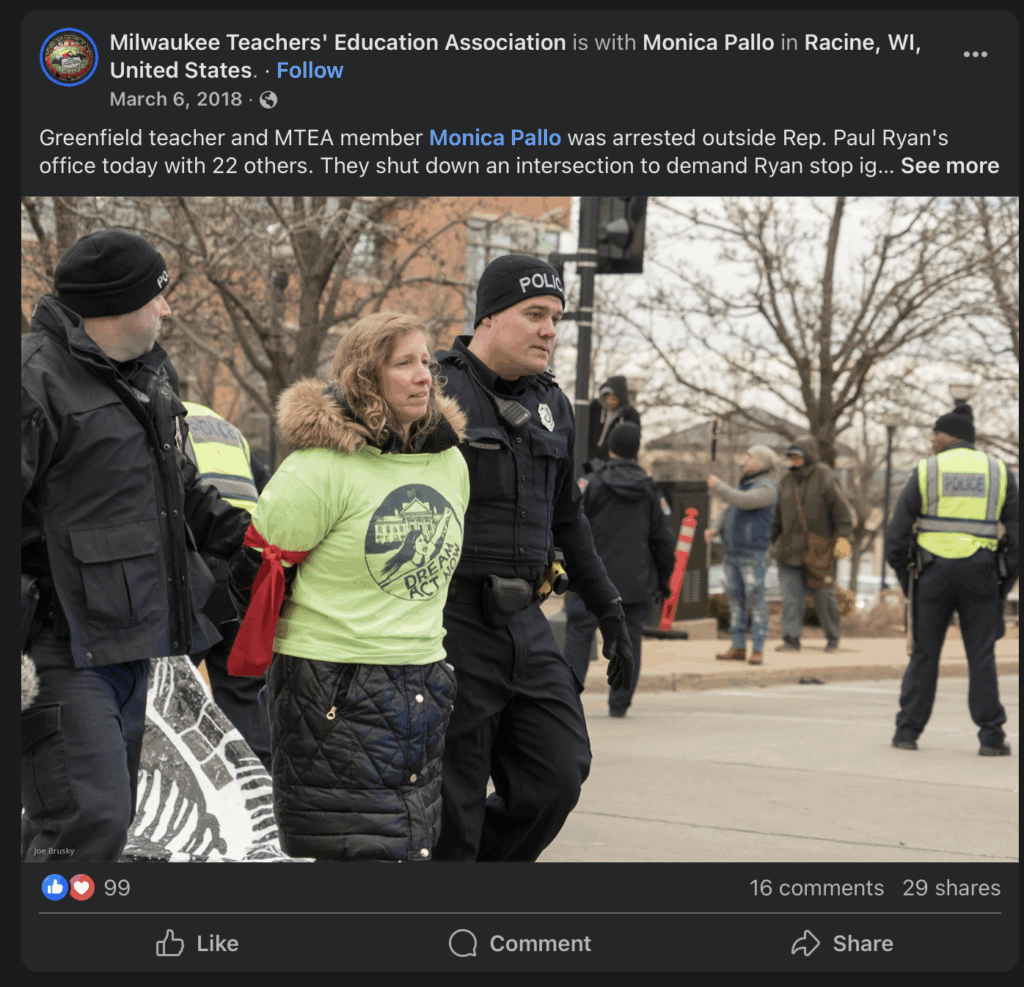
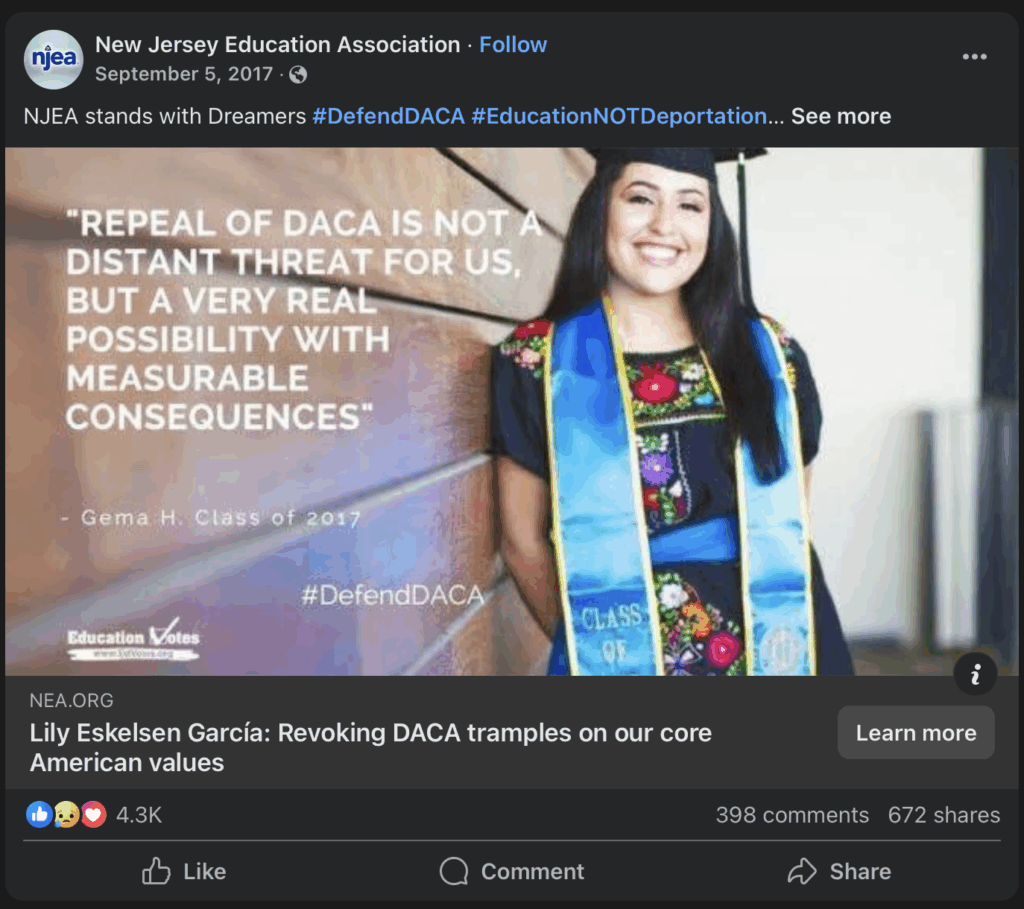
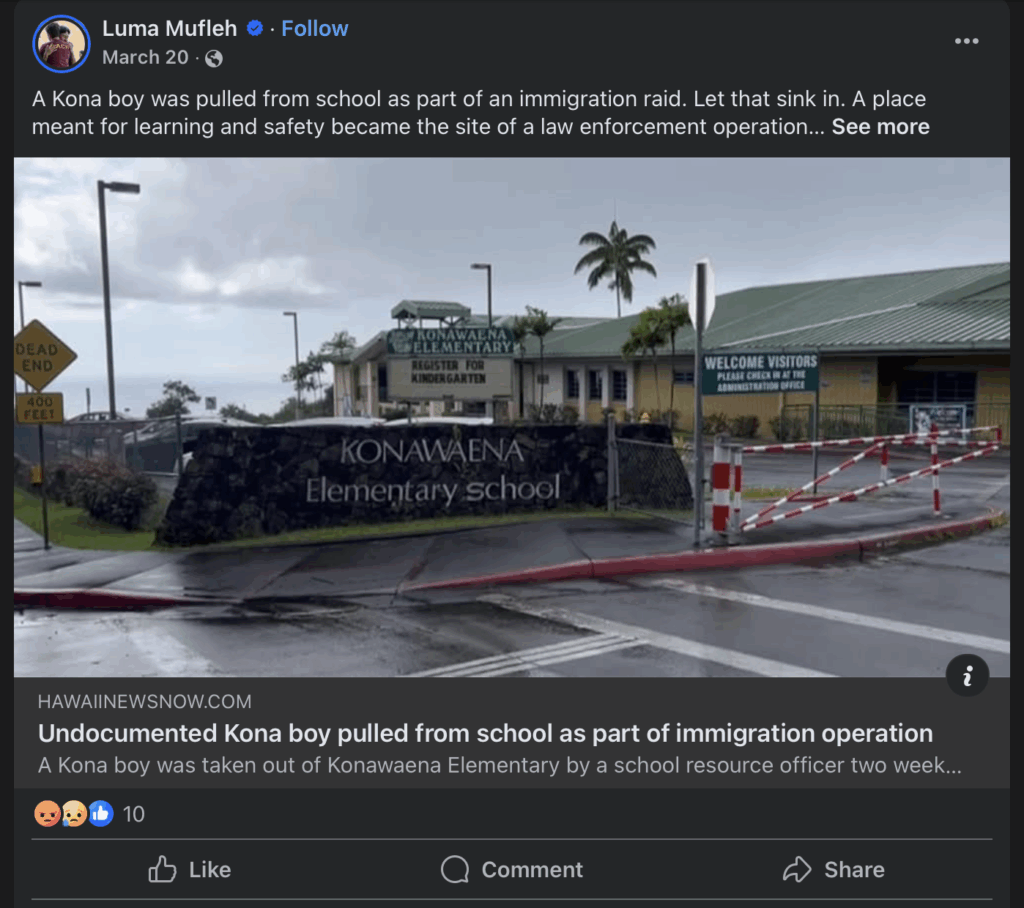
Immigration advocates, especially DREAMers and student organizations, used social media to share her story, organize rallies, call for legal defence funds, and pressure public officials. Hashtags and posts associated with #JusticeForJessica, #DreamAct, and #EducationNotDeportation circulated widely in activist communities and on college campuses.
These actions drew mainstream media attention, which in turn fueled further discussion on platforms like Twitter and Facebook, creating a feedback loop of coverage and mobilization.
Pressure against lawmakers and ICE
Politicians such as Georgia State Senator Curt Thompson and other national figures faced increasing social media pressure to take a position. The ACLU and immigrant rights organizations also used social media to publish legal updates, fact sheets, and calls to action.
Cable news outlets like CNN and Fox News began covering social media reactions, embedding tweets and featuring viral content from Facebook. The public opinion on immigration — especially the DREAM Act — was being shaped in real-time via social networks.
This public visibility arguably contributed to ICE granting Colotl temporary relief (deferred action).
What happened to Jessica Colotl?
Colotl was granted DACA initially after her education, but later had this protection revoked by ICE under the Trump administration—even though the charges had been resolved.
In mid‑2025, a federal judge ordered DACA reinstated, pending further review by USCIS. A settlement agreement also provided a temporary stay of deportation, allowing her to continue residing and working in Georgia legally.
Colotl expressed relief that she can resume her life and employment “with peace of mind” following the court’s order.
What happened to the DREAMers and DACA?
No DREAM Act has passed Congress yet. Various versions have been introduced repeatedly (e.g., S. 1291 in 2001; the American Dream and Promise Act in 2021 and 2023; the American Dream and Promise Act of 2025 introduced on Feb 26, 2025, as H.R. 1589), but none have become law. The current House-proposed version (H.R. 1589) is still in committee and has not advanced.
Trump’s first-term administration attempted to end DACA in September 2017, but the Supreme Court blocked this in June 2020, ruling the rescission “arbitrary and capricious” under the APA.
Since then, DACA has remained in place, but is only open to renewals, not new applications. Courts—including the Fifth Circuit in January 2025—have found DACA unlawful, though they allowed renewals to continue.
Without a legislative DREAM Act, Dreamers rely on the renewable—but-legally precarious—DACA pathway.
Why is social media advocacy no longer working?
Why is social media no longer making an impact? When the Jessica Colotl case emerged:
- Facebook, Twitter, Tumblr, and early Instagram allowed grassroots stories to go viral without algorithmic suppression.
- Activist narratives faced fewer barriers—hashtags like #JusticeForJessica could reach trending lists easily.
- Social platforms were seen as tools of empowerment (think: Arab Spring, Black Lives Matter 1.0).
- Journalists actively mined Twitter and Facebook for stories; social trends shaped mainstream coverage.
- Chronological feeds allowed direct visibility to user posts, including activist calls to action.
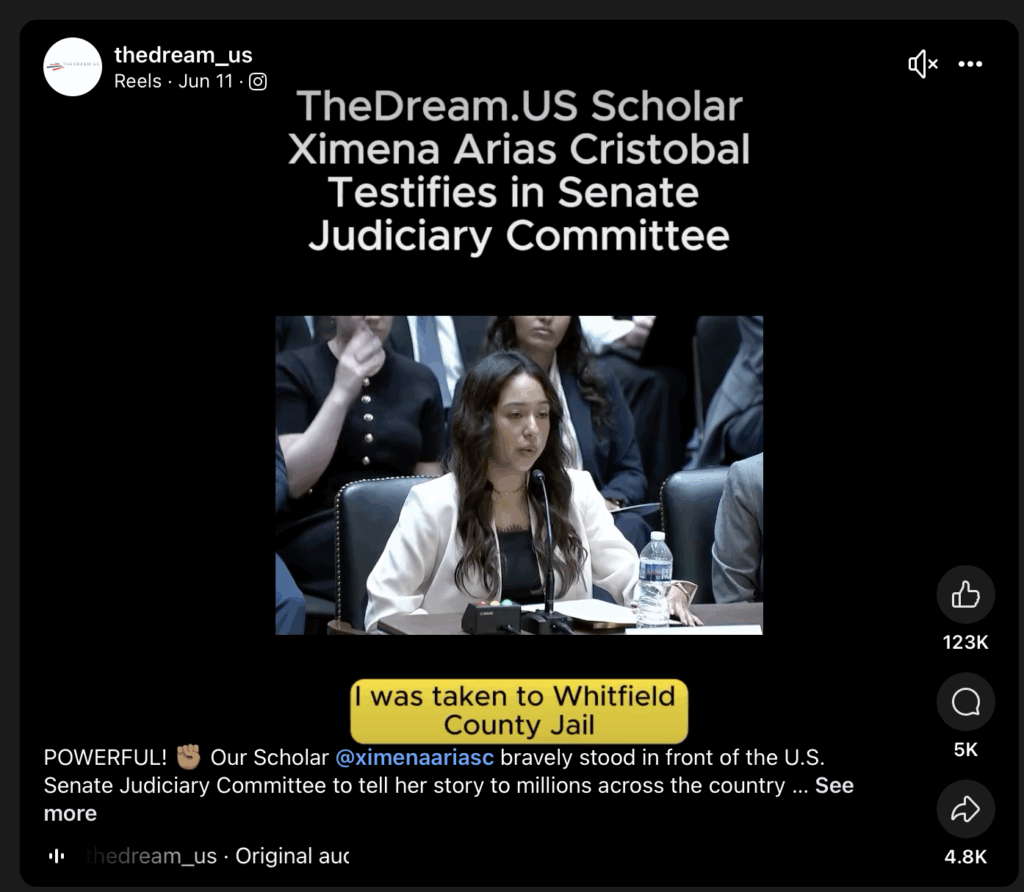
Now, social media has decreased its impact due to some key factors:
- Platforms now use algorithmic ranking to filter political and activist content. Engagement with “risky” content is throttled or shadow-banned (without transparency). X (formerly Twitter), Threads, Bluesky, and others have splintered audiences. Activists now need to spread messages across 5+ platforms, diluting virality.
- Governments (especially post-2020) monitor activist accounts more aggressively. Advocacy may lead to consequences (e.g., visa delays, doxing, job loss). The chilling effect silences or anonymizes many users, limiting visible mobilization.
- X (Twitter) has changed under Elon Musk: blue-check activism is paywalled, trending hashtags are opaque, moderation is erratic. Meta (Facebook & Instagram) suppresses political content by default and favors “reels” and shopping. TikTok deprioritizes sustained political discourse in favor of short-form trends and entertainment.
- Audiences are increasingly skeptical and fragmented. Even valid activism is often dismissed as “political manipulation.” Social media fatigue means fewer people engage deeply or follow causes through.
- Creators now build “brands,” not movements. Cause-driven posts compete with ads, influencers, and algorithm-friendly content. Fundraising and organizing have moved to private platforms (Discord, Signal, WhatsApp), reducing public pressure.
Jessica Colotl’s case went viral and shaped legislation because social media still worked as a civic amplifier. Today, the same case might be buried by algorithms or drowned out by content noise.