








From dancing baby GIFs in the ’90s to absurdist TikTok trends and politically weaponized memes, meme culture has evolved into one of the most powerful and pervasive forms of digital communication. What began as playful images shared in niche internet communities has grown into a dynamic social phenomenon, capable of influencing elections, sparking global movements, and redefining the boundaries between irony, authenticity, and ideology.
Memes are more than just jokes: they are cultural DNA, constantly mutating, remixing, and spreading through digital populations. To understand the internet, one must understand its memes.
What are memes?
- A meme is an image, video, piece of text, etc., typically humorous in nature, that is copied and spread rapidly by internet users, often with slight variations. It's an element of a culture or system of behaviour passed from one individual to another by imitation or other non-genetic means.
The term meme was coined by Richard Dawkins in The Selfish Gene (1976) as a unit of cultural transmission — an idea, behaviour, or style that spreads from person to person. The internet simply put this process on fast-forward.
How did memes spread?
In 1996, the Dancing Baby was one of the first animations to go viral over the Internet.
In the 2000s, memes started to spread with LOLcats, All Your Base, Rickroll, and Chocolate Rain. The next decade saw the rise of Rage Comics with Trollface, Forever Alone, Advice Animals, and Bad Luck Brian. Several other meme themes evolved through the 2020s: Pepe the Frog, Dat Boi, Harambe, Vine culture, Distracted Boyfriend, Mocking Spongebob, Big Chungus…
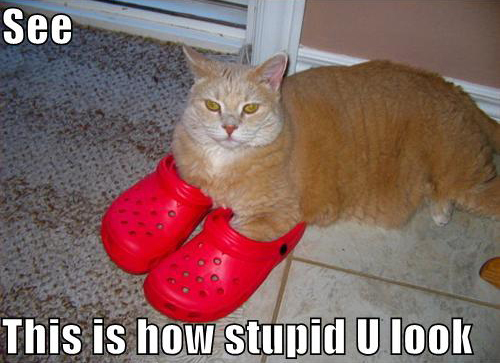
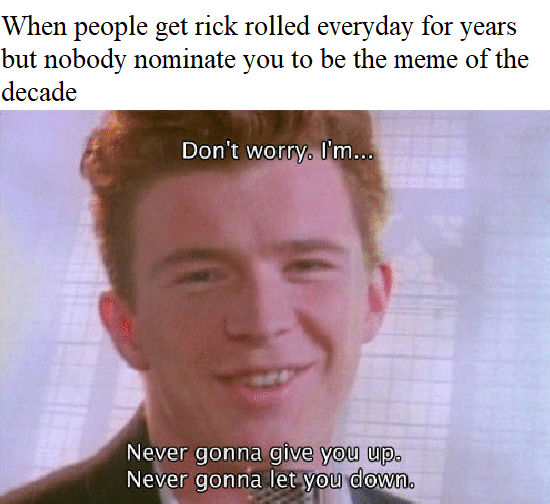
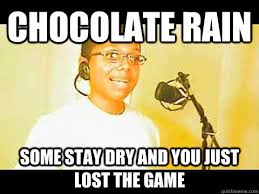
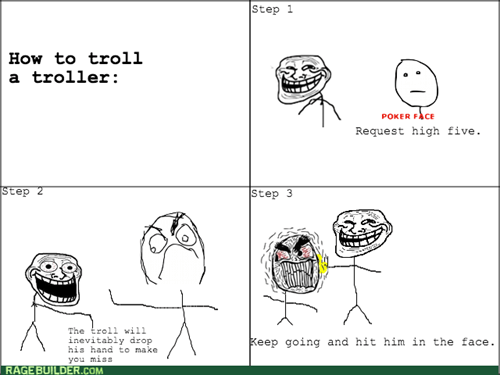
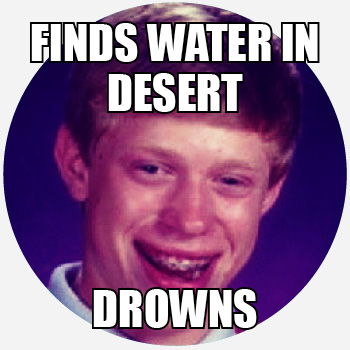
Today, the most popular memes are the Deep-fried memes, Zoomer humour, TikTok sounds, and a new wave of AI-generated memes.
Anatomy of a meme
Memes operate through recognition, relatability, and remixability. Their power lies in how they condense complex emotions, cultural critiques, or absurd observations into bite-sized, shareable formats.
Memes often follow one of the following formats:
- Image macros: Text + Image combos (e.g., “One Does Not Simply…”)
- Reaction Memes: Facial expressions, GIFs, or scenes used to convey feelings
- Video Memes: Clips with overdubs, edits, or text overlays
- Text-based: Copypasta, shitposts, ironic statements
- TikTok/Audio Memes: Sound clips and music remixes fueling trends
The meme ecosystem: where do they come from?
Each social media platform gives birth to a different flavour of meme culture. For example:
- 4Chan: Proto-memes and shock memes are anonymous, offensive, and edgy
- Reddit: Format-driven memes constitute a Subreddit-specific culture (e.g., /r/memes)
- Instagram: Aesthetic memes and meme pages are clean, viral, and influencer-adjacent
- TikTok: Audio/video memes are fast-cycle, music-driven, and target niche core communities
- Twitter/X: Situational and political memes are used as real-time commentary or weaponized humor
Evolution and mutation of memes
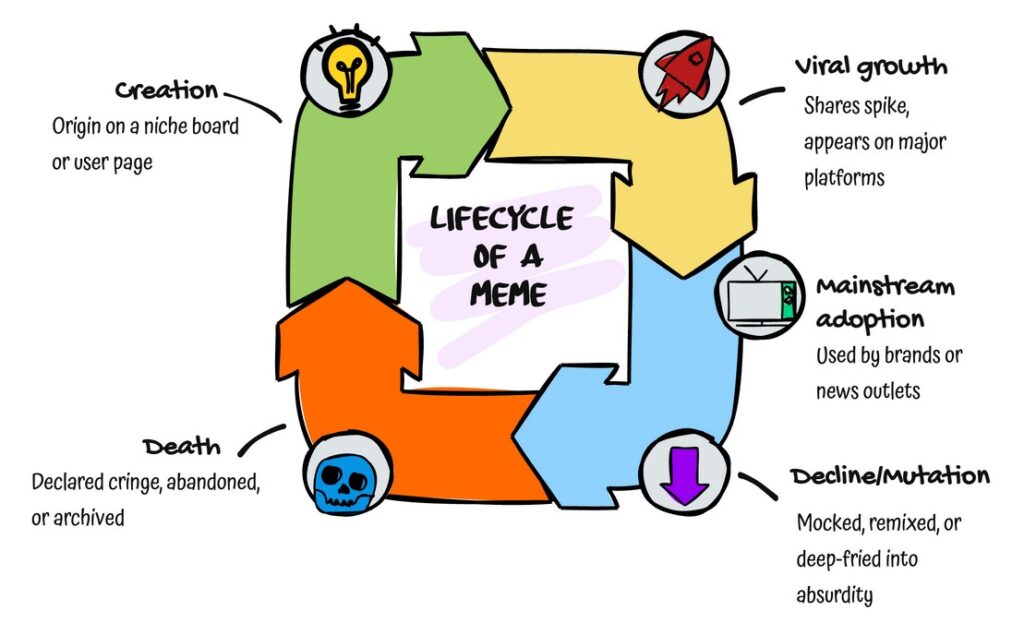
Memes evolve quickly through remix culture. A meme starts with a template, and users add their own spin, leading to exponential variations. Over time, templates “die” or become cringe.
Weaponization and politics
Memes have become political weapons. Their humour masks powerful messages and dog whistles. Some notable examples are:
Pepe the Frog: Co-opted by alt-right groups, later reclaimed by Hong Kong protesters
NPC Meme: Used to dehumanize political opponents
OK Sign: Originated as irony, later adopted in hate symbolism
Movements like QAnon, anti-vaxxers, and flat earthers use memes as cognitive entry points — blending irony and misinformation to draw in new adherents.
Memes and Identity
Meme participation signals group membership. In online communities, knowing meme lore or using obscure formats confers status — a digital “in-joke” that creates shared identity.
Dank memes = insider knowledge
Normie memes = out of touch or basic
Meta memes = commentary on meme formats themselves
Memes also express generational identity:
Millennials: relatable humour, nostalgia, sarcastic takes
Zoomers: nihilism, absurdism, low-res aesthetic, layered irony
Dark corners of the meme culture
The ambiguity of memes can mask extreme views under a layer of “just joking.” Known as “ironyposting”, this allows ideas to be tested and spread without immediate scrutiny.
This ambiguity provides plausible deniability (“It’s just a meme”), can be a recruitment strategy (especially on 4chan/Telegram), and is often used in social engineering and misinformation campaigns.
Memes and cybersecurity concerns
For cybersecurity professionals, meme culture is more than entertainment. Memes can spread malware with steganographic payloads and act as social engineering baits. Meme-driven radicalization is relevant in threat assessments, especially after the rise of cyberwarfare memes such as Russian bots during the elections.