











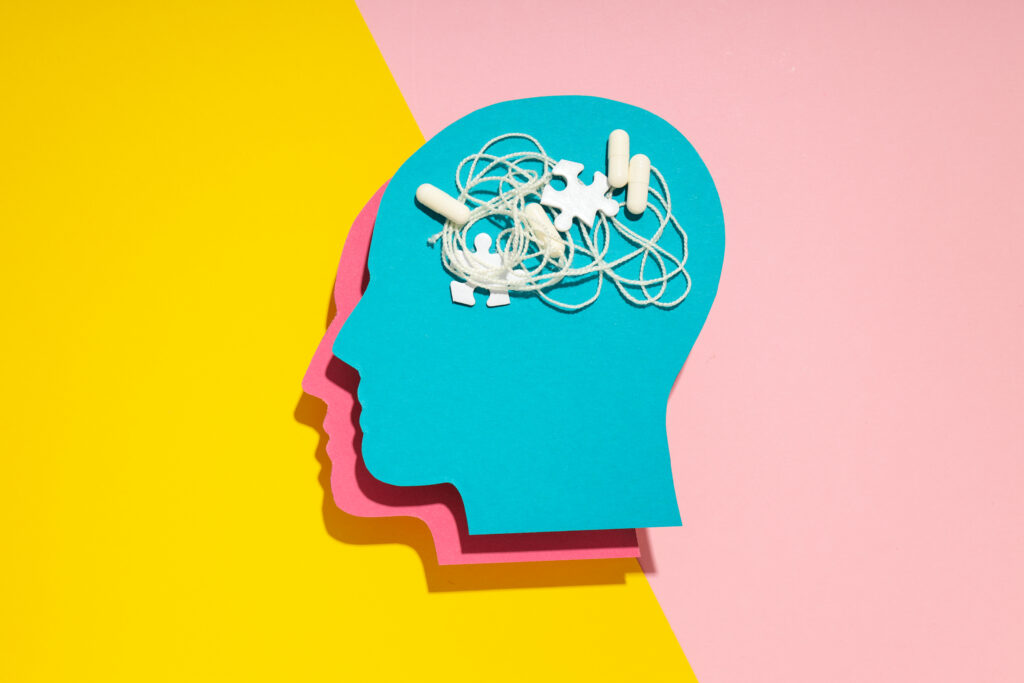
The digital world has rewired how people think, communicate, and experience daily life. Smartphones, social media platforms, messaging apps, and endless streams of information have created a reality in which the human mind is constantly interacting with machines.
While technology has made life more efficient and connected, it has also introduced new psychological pressures that researchers, clinicians, and sociologists are only beginning to fully understand.
Mental health in the digital era cannot be discussed without acknowledging the profound ways technology shapes attention, relationships, sleep patterns, and emotional wellbeing.
A mind that never disconnects
For most of human history, the mind experienced natural cycles of stimulation and rest. Work ended, social interaction paused, and information moved slowly. Digital technology changed that rhythm.
Today, a person can wake up to notifications, emails, and news alerts before even leaving bed. Throughout the day, conversations continue across messaging platforms, work communications arrive instantly, and social feeds update continuously.
This constant connectivity has several effects on mental functioning:
- Attention fragmentation, where frequent interruptions make sustained focus more difficult.
- Cognitive overload, caused by absorbing far more information than the brain evolved to process.
- Reduced downtime, which is necessary for emotional processing and memory consolidation.
Psychologists sometimes refer to this as a state of continuous partial attention, where individuals are always scanning for new information but rarely fully engaged with one task.
Social connection, re-imagined
Digital platforms have dramatically expanded how people connect. Long-distance relationships can flourish through video calls and messaging. Communities can form around niche interests that might never exist offline.
At the same time, online interaction changes the nature of social experience.
Communication through screens removes many subtle human cues such as tone, body language, and facial expression. This can lead to misunderstandings, reduced empathy, or a sense of emotional distance even when communication is frequent.
Paradoxically, people may feel both more connected and more isolated at the same time.
Studies frequently show that while digital tools help maintain relationships, excessive reliance on online interaction can weaken deeper social bonds that rely on shared physical experiences.
The psychology of notifications
One of the most powerful psychological mechanisms embedded in modern technology is the notification system. Alerts, likes, comments, and message indicators are not simply informational tools. They are behavioural triggers.
Many digital platforms are built around variable reward systems, a principle long studied in behavioural psychology. When rewards appear unpredictably, users are more likely to keep checking for them. This is the same principle behind slot machines.
Each notification can produce a small dopamine response in the brain, reinforcing the habit of checking devices repeatedly throughout the day.
Over time, this cycle can create:
- Compulsive checking behaviours
- Anxiety when disconnected from devices
- Reduced tolerance for boredom or quiet moments
This pattern does not affect everyone equally, but it explains why many people instinctively reach for their phones even without a clear reason.
Sleep in the age of screens
Another major influence of digital technology on mental health involves sleep.
Two main factors contribute to sleep disruption:blue light exposure from screens suppresses melatonin production, a hormone that signals the body to prepare for sleep. Mental stimulation from late-night scrolling, gaming, or online conversations keeps the brain alert when it should be winding down.
Poor sleep quality is strongly associated with anxiety, depression, irritability, and impaired cognitive performance. Even small reductions in nightly rest can accumulate into significant mental health effects over time.
The positive side of digital life
It would be misleading to frame technology purely as a mental health risk. Digital tools also provide important psychological benefits.
Online platforms allow people to:
- Access mental health information and educational resources
- Find peer support communities
- Maintain connections across geographic distances
- Discover creative outlets and learning opportunities
For individuals in remote areas or those facing social barriers, digital communities may offer the only accessible support network.
Mental health apps, tele-therapy platforms, and digital counseling services have also expanded access to professional care.
Learning to live with the digital mind
The central challenge is not to reject technology but to understand its psychological effects and use it deliberately.
Small behavioural adjustments can make a significant difference:
- Disabling non-essential notifications
- Setting device-free periods during the day
- Avoiding screens shortly before sleep
- Prioritizing in-person interaction when possible
- Creating intentional breaks from information consumption
These habits help restore balance between digital engagement and mental recovery.
A new field of understanding
Researchers across psychology, neuroscience, and sociology are now studying the long-term cognitive and emotional effects of digital life. What emerges is a picture of a human brain adapting rapidly to an environment it did not evolve for.
The digital world is neither inherently harmful nor purely beneficial. Its influence depends largely on how people design technologies and how individuals choose to interact with them.
Understanding the digital mind is the first step toward maintaining mental well-being in an always-connected world.