





Online fandoms are more than just groups of fans. They are highly organized subcultures driven by shared emotional investment in media: TV shows, books, games, movies, celebrities, and increasingly, fictional universes and aesthetics.
These communities remix, reinterpret, and expand culture through fanfiction, fan art, videos, cosplay, roleplay, and detailed world-building. They don’t just consume culture — they co-create it. However, they can also end up in extreme behaviours and spread toxicity across the Internet.
What are fandoms?
- Fandoms refer to communities of people who are passionate about something, whether it's a film, a band, a television show, a book, or a sports team. These communities are characterized by shared enthusiasm and passion for a specific piece of media or pop culture. Members of a fandom often engage in activities such as discussing, sharing content, and connecting with others who have similar interests.
Fandoms can be particularly important for individuals who may be otherwise introverted or focused on very niche cultural interests. They provide opportunities to connect with other like-minded individuals, and the network of fandoms allows easier discovery from one interest into a whole range of interests.
The evolution of fandoms
Fandoms are a cultural phenomenon that predates the Internet. As TV shows in the 1960s gained popularity, fans started to organize to share their love and support. Science fiction TV series such as Star Trek were the first to see fanzines. By the 1980s, science fiction cons became exciting events gathering thousands.
With the Internet, websites like Usenet, LiveJournal, and FanFiction.net brought fandoms online. In the 2010s, fandoms migrated to social media platforms such as Tumblr, Archive of Our Own (AO3), and Wattpad.
Today, fandoms continue to spread through social media on TikTok (with tags such as BookTok and FandomTok), Discord servers, Reddit AMAs, and Twitter threads.
Types of fandoms
Some types of fandoms are more common than others. For example:
- TV series and films: Marvel, Star Wars, Game of Thrones, Doctor Who, Supernatural
- Books: Harry Potter, Twilight, Percy Jackson, ACOTAR, The Hunger Games
- Anime and manga: Naruto, Attack on Titan, My Hero Academia, BL/yaoi series
- Music: K-pop (ARMY for BTS, Blinks for Blackpink), Directioners, Swifties
- Games: Genshin Impact, The Legend of Zelda, League of Legends, Minecraft
- Celebrities: Stan culture for actors, YouTubers, influencers (e.g., MrBeast, Corpse Husband)
Key features of fandom cultures
Fandoms have developed some common features across the board:
Fanfiction, also known as fanfic, is fiction written by fans based on an existing work of fiction. It typically involves using copyrighted characters, settings, or other intellectual properties from the original creator(s) as a basis for writing. The author can retain the original characters and settings, add their own, or both.
Fanfiction ranges in length from a few sentences to novel-length and can be based on various forms of media, including novels, movies, comics, television shows, and video games. Some popular genres are Slash (same-gender pairings), Hurt/Comfort, Alternate Universe (AU), and Smut. Some of the most favourite platforms are AO3, Wattpad, and Fanfiction.net. Although Fanfiction is created by amateurs, it plays an important role as it rewrites narratives to center marginalized identities or subvert the canon.
Shipping, short for "relationshipping," refers to the belief that two or more characters are in a romantic relationship, or may have romantic feelings that could potentially lead to a relationship. The term "shipping" originated from the X-Files fan community and has since spread to multiple fandoms, including Pokémon.
This is primarily explored through the creation of fanworks, including art, video editing, and fiction. These relationships can take many forms, including canon, where the relationship is acknowledged within the media's universe, and non-canon, where the relationship relies on what people consider subtext or hints towards a character's involvement with another. This can also extend to include characters who have never actually appeared together in official media, generally referred to as never-met ships.
A few examples of famous "ships" are Destiel (Dean/Castiel), Dramione (Draco/Hermione), and Bakudeku. Shipping wars can become intense and political, especially with LGBTQ+ or racial dimensions.
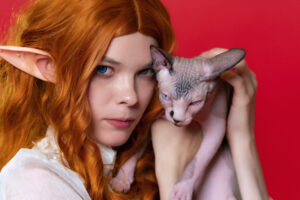
Cosplaying refers to the act of dressing up as a character from a preexisting work of fiction. The term is derived from a Japanese portmanteau—kosupure—drawn from the words kosuchuumu ("costume") and pure ("play").
Cosplayers often create or wear costumes to represent these characters, and the practice can involve role-playing, mimicking mannerisms, and using props and accessories.
It is a form of performance art and self-expression, commonly seen at fan conventions, but also practiced in other settings. Cosplaying is typically done by hobbyists for fun, though professional cosplay modelling and competitions are also popular.
Fan art refers to artwork created by fans based on existing popular works of fiction by fans. It can take various forms, including illustrations, drawings, animations, sculptures, and more.
The term encompasses works that reinterpret, pay tribute to, or expand upon original creations, often adding new elements or narratives. It allows fans to become part of a world they love, often adding new elements to the original designs, creating a completely new vision of the work or featured character.
Fan art is often shared within communities, providing a platform for fans to express their creativity, explore their identities, and connect with others who share similar interests. While the legislation varies by country, fan art created for non-commercial purposes is generally not illegal. However, when money is involved, it can lead to controversies regarding intellectual property rights.
Fan art can be found on platforms like Instagram, DeviantArt, and Tumblr, where artists showcase their work and engage with other fans.
In fandoms, "headcanons" refer to personal interpretations or ideas about a piece of media that are not explicitly stated in the original work. These can include beliefs about characters, relationships, or events that are not part of the official storyline but are created by fans. For example, a headcanon might be a belief that a character has a specific trait or backstory that is not mentioned in the original content.
"Meta," on the other hand, is a term used to describe the analysis or discussion of a show, its characters, or the fandom itself. It can include things like headcanons, theories, character analysis, and other forms of non-fiction discussion. Meta can be academic in nature, with fans citing multiple resources and defending their points of view. It can also be a more casual discussion, such as a joke post that makes a good point about the canon. Meta can be about fandom as a whole, a particular fandom, a particular event, a particular canon, or even a specific episode or aspect of something.
Role-playing communities are often text-based, hosted in forums or on Discord. However, sometimes they are linked to kinning ( the practice of relating to or identifying with a fictional character, often to the extent of feeling a deep connection or even believing oneself to be the character) or identity play.
In these communities, fans write in-character interactions collaboratively, often expanding on minor characters or alternate timelines.
Fandoms and Identity
For many, fandom isn’t just about liking a show — it’s a framework for identity and a safe space for queer, neurodivergent, or marginalized individuals.
For example, Slash fiction predates mainstream LGBTQ+ inclusion and has been a safe place for queer representation.
In many cases, fans rewrite traumatic or problematic elements of canon and fandom servers and hashtags double as emotional support systems.
Controversies of fandoms
While fandoms might seem like an innocent and fun way of escaping reality and immersing oneself in a beloved fictional world, they’re not free from issues and controversies.
For example, shipping wars can turn toxic, especially with minor or underage characters. Accusations of racism, queerbaiting, or “problematic” ships are not unusual, and they can fracture communities. Also, authors like Anne Rice, J.K. Rowling, and others have clashed with fanfic communities.
And finally, the rise of AI-generated art and fiction raises questions about authenticity and consent.
From fandoms to parasocial fandoms
Fandoms can sometimes trigger unhealthy psychological behaviours such as parasocial relationships.
- A parasocial relationship is a one-sided emotional connection that a fan develops with a public figure (e.g., a celebrity, YouTuber, streamer, or fictional character). The fan feels deeply connected — even intimate — with someone who doesn’t know they exist.
The Stan culture
- The term “Stan” comes from Eminem’s 2000 song Stan, depicting an obsessive fan. Online, it’s been reclaimed to mean a passionate fan (e.g., “I stan her!”), but it still implies intensity and loyalty that can cross into unhealthy behavior.
The Stan culture presents some distinctive behaviours:
- Hyper engagement: Fans follow every post, livestream, or lyric drop.
- Fan armies: Self-organized groups that defend or promote their idol (e.g., BTS ARMY, Swifties, Barbz).
- Meme and language creation: Use in-group slang and memes (e.g., “mother,” “king behavior,” “we been knew”).
- Mob tactics: Mass-reporting critics, doxxing rivals, coordinated hashtag flooding.
- Emotional investment: Fans experience breakups, wins, or drama as if it were happening to them.
The Stan culture is a parasocial fandom gamified and organized. Fans believe they truly know the creator or idol. They cry over celebrity drama, defend them like family. They ritualize their interactions with their idols, with daily likes, streams, and tweets as symbolic acts of love. They act under the illusion of reciprocity (e.g., “They liked my tweet – we’re connected!”) and any criticism towards their idol is considered a personal attack, so it needs to be cancelled from public view.
Real-life consequences of Stan culture famdoms
Stan culture fandoms have consequences in the real world. Most often, they can lead to online harassment and doxxing (for example, when creators or critics offend a stanbase, even by mistake, they may receive death threats, leaks, or mass attacks. This online violence is also reflected towards rival stan groups, weaponizing virality to fight each other. This is often seen on X (formerly Twitter) or TikTok.
Sometimes, members of the stan fandoms end up in Internet radicalized groups, such as QAnon followers or Andrew Tate fans.
Their obsessive behaviour can cause burnout in creators: parasocial expectations can lead influencers to overshare or feel trapped by their audience’s emotional needs. Fans will justify nearly anything their idol does because they feel emotionally obligated to protect them, weaponizing empathy to their needs.
Some examples of such extreme behaviours can be found in the #freeBritney movement, ARMY (BTS), and the Swifties’ behaviours.
Obsessive behaviours in digital investigations
When it comes to digital investigations, stan fandoms present multiple risks of altering reality.
Stan networks can be used to launder narratives: they mix memes with ideology for broader reach. The parasocial dynamics in these groups can enable social engineering. For example, fans might give up personal information or fall for impostor accounts.
Ultimately, their activity online is a key signal of cultural trends, coordinated behaviour, or creator sentiment manipulation.