











He hacked NASA before he turned 14. A few years later, he gained popularity on underground forums as “CumbaJohnny,” known for stealing millions of USD in some of the most devastating attacks on retail chains, such as T.J. Maxx. The only problem? He was also an insider informant to the Secret Service. This is the controversial story of Albert Gonzales.
Who is Albert Gonzales?
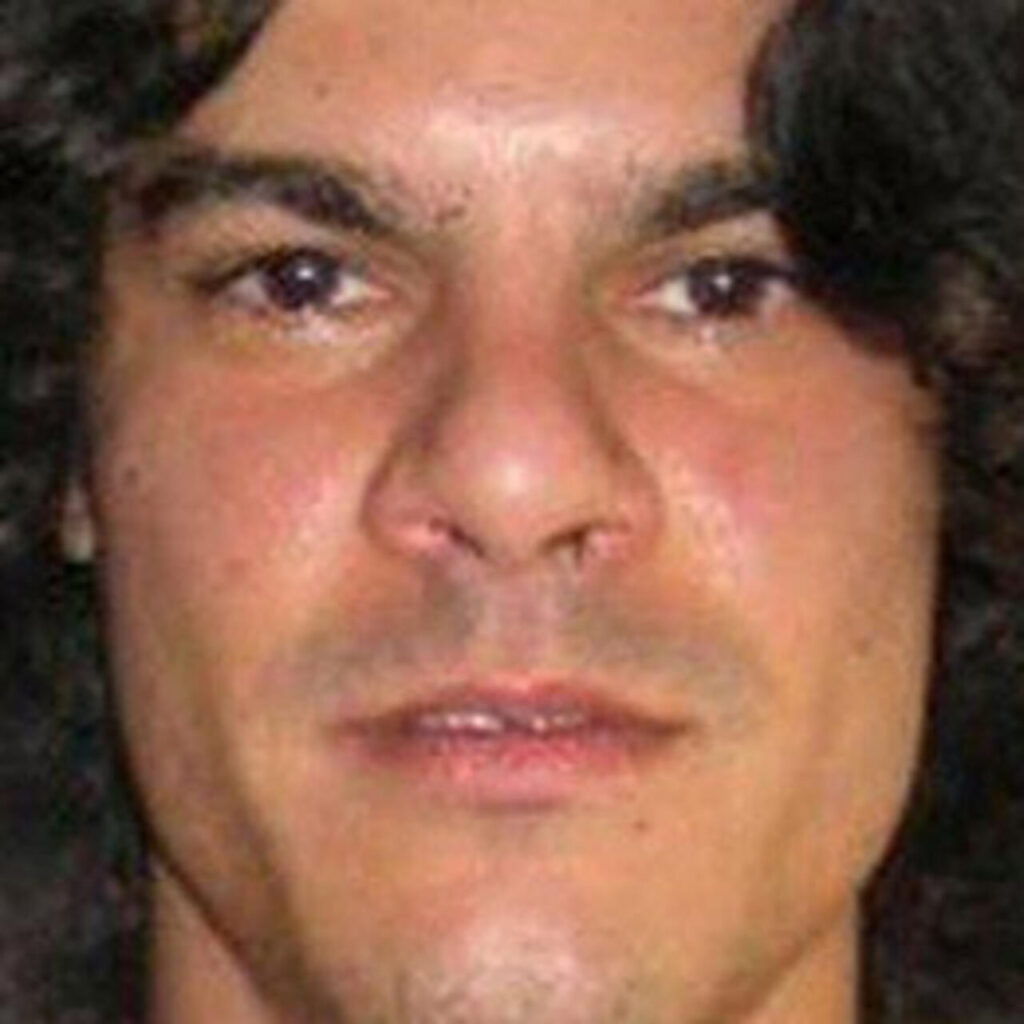
Albert González became a central figure in ShadowCrew, an underground forum trading stolen credit card data, passports, counterfeit IDs, and more. Operating under aliases such as “CumbaJohnny,” he helped facilitate millions of fraudulent transactions. Around 2003, González was arrested and, to avoid detection, he agreed to become a paid informant in Operation Firewall. This was a major cybercrime sting that resulted in multiple arrests. However, while González was being paid $75,000/year by the Secret Service, he was actively committing fraud, scoring the most devastating attacks in the history of retail chains.
The major breeches
While an informant for the Secret Service, González orchestrated massive data theft using SQL injection and ARP spoofing techniques. He targeted major U.S. retailers—including TJX Companies, OfficeMax, BJ’s, Barnes & Noble, Sports Authority, Boston Market, and 7‑Eleven—stealing over 170 million credit and debit card numbers between 2005 and 2007.
He was arrested in May 2008 at a Miami Beach hotel. Authorities found $1.6 million in cash—$1.1 million buried in his parents’ yard—as well as laptops, a phone, and a firearm.
Sentence and release
In September 2009, he pleaded guilty to multiple counts, including conspiracy, computer fraud, wire fraud, and aggravated identity theft, relating to breaches at TJX, Dave & Buster’s, Heartland, Hannaford Brothers, and others. On March 25, 2010, he was sentenced to 20 years and a day (to run concurrently across multiple cases) and fined $25,000. He was also ordered to forfeit real estate, vehicles, cash, jewelry, and electronics.
Part of his legal defence was that he suffered from Asperger’s syndrome and internet addiction. His case is regarded as one of the largest identity theft operations in U.S. history and a landmark legal precedent for cybercrime sentencing. After serving time at a federal medical facility, he was released on September 19, 2023. His current whereabouts are not publicly known, and he maintains a low profile.
Exposing the dangers of the system
González’s case was astonishing because he exposed the danger of insider informants who exploited their position to commit further crimes. At the same time, Albert González had a profound and paradoxical impact on the hacker community and online underground circles. His story shaped discussions around trust, ethics, and the limits of cooperation with law enforcement.
Should a black hat hacker be trusted as an informant? His actions reignited debates about the difference between ethical hacking and black hat crime, and whether “white hats” working with law enforcement were trustworthy. The fact that González was committing cybercrimes while being paid by the U.S. Secret Service sparked intense backlash.
Living a double life
After his case became known, Gonzalés lost trust in underground forums that made him popular. Sites like ShadowCrew, CarderPlanet, and DarkMarket became more suspicious and fragmented. ShadowCrew, one of the largest early cybercrime forums, was directly dismantled through Operation Firewall. After that, in cybercrime circles, Gonzalés was referred to as a “rat”, one of the most severe insults, especially since others were imprisoned due to his cooperation.
The legacy
As a direct consequence of Gonzalés’ double life, users of the platforms that were closed down fled to other forums (e.g., DarkMarket, Carders.cc). This migration eventually paved the way for more resilient platforms like Silk Road, AlphaBay, and encrypted messaging app communities. There was a shift from centralized forums to decentralized marketplaces and invite-only groups on encrypted networks (IRC, XMPP, Jabber, later Telegram and Matrix).
González used sophisticated techniques like SQL injection, sniffers, packet injection, and custom scripts to breach payment processors. His success inspired both defenders and attackers.
In the hacker community, copycat actors emulated his tactics, while new variants of PoS (Point of Sale) malware and carding tools proliferated. In the cybersecurity industry, his hacks became case studies in threat modelling, PCI-DSS compliance, and incident response.
The hacker as a anti-hero
González became an infamous figure, less like Kevin Mitnick or Adrian Lamo, more akin to a cyber Scarface. He is frequently portrayed as both brilliant and dangerous, embodying the blurred line between genius and criminal.
Albert González’s story became a catalyst for structural changes in both illicit hacking circles and the broader infosec world. His unprecedented heists, betrayal, and sentencing reinforced the high risks of black hat hacking, but also showcased how powerful one individual can be when systems—technical, legal, and social—fail to keep up.