











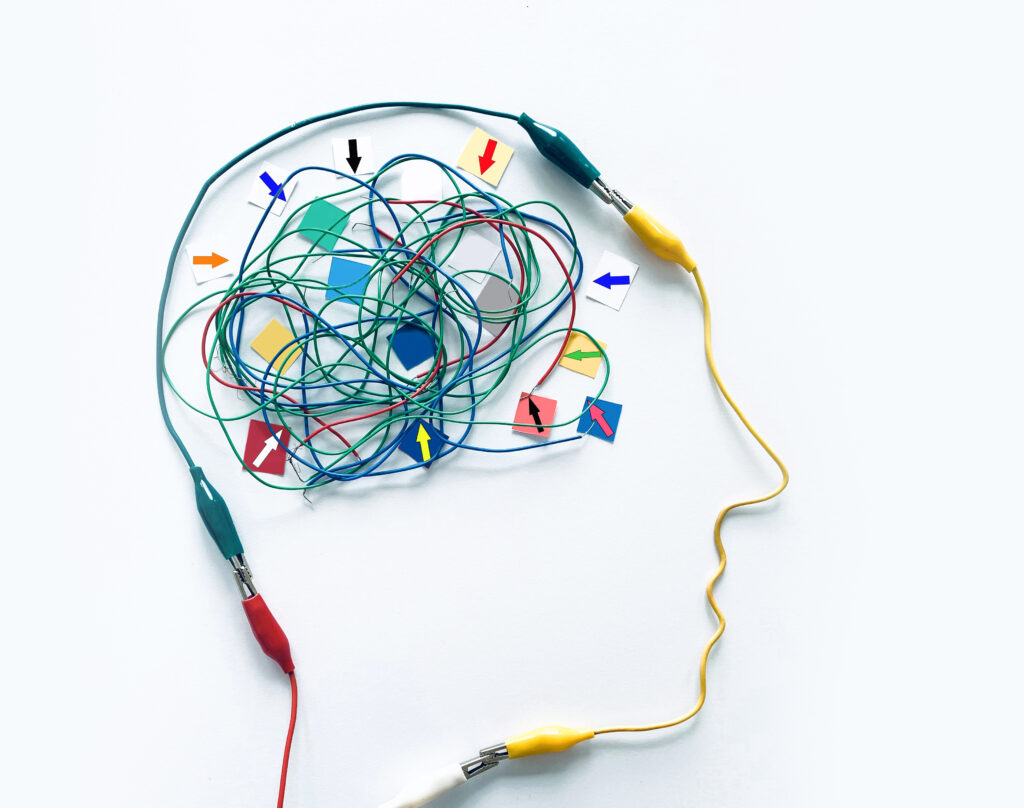
Cybersecurity relies on a wide range of cognitive skills. Threat hunting, OSINT investigation, incident response, red team operations, and policy design all require different ways of interpreting information and solving problems. As the field grows more complex, organisations are recognising the value of neurodiversity, which includes autism, ADHD, dyslexia, dyspraxia, and other cognitive differences.
Neurodiversity emphasises that these variations are part of natural human diversity rather than deficits. In cybersecurity workplaces, this perspective is increasingly linked to improved performance, creative problem solving, and a stronger defence posture.
Why neurodiversity matters in cybersecurity
Cybersecurity problems are rarely solved by conventional thinking. Threat actors constantly innovate, so defenders must analyze data from unusual angles, detect subtle anomalies, and sustain focus on complex systems. Neurodiverse professionals often bring strengths that align with these needs.
Key skills include:
- Detail oriented focus
- Pattern recognition
- Persistence on difficult problems
- Unconventional or lateral thinking
- Comfort with systems, logic, and structured environments
- Strong long term memory for technical knowledge
- Rapid skill development in selected interests
These strengths do not apply universally, but they appear frequently enough that many organizations are rethinking their recruitment and management strategies.
Cognitive strengths across neurodiverse profiles
Autism spectrum
Common strengths include precision, sustained focus, system thinking, and comfort with repetitive or highly structured tasks. These can be powerful in vulnerability research, malware analysis, digital forensics, and log based investigations.
ADHD
Fast switching, parallel thinking, and high adaptability can support incident response, threat hunting, and investigative creativity. Hyperfocus can enable rapid skill development when tasks are engaging.
Dyslexia
Dyslexic thinkers often show strong spatial reasoning, pattern extraction, and conceptual problem solving. These skills help in network architecture analysis, cryptography concepts, and big picture threat modelling.
Dyspraxia
Although associated with movement coordination differences, dyspraxia also correlates with creative thinking, strong verbal reasoning, and persistence. These qualities support security architecture communication, policy work, and training development.
Each profile brings a different cognitive palette that enriches a security team’s capability.
Workplace practices that support neurodiverse professionals
Organisations do not require major overhauls to become neuroinclusive. Small adjustments often have large effects, and most changes benefit all employees.
- Clear communication: provide written instructions, expectations, and timelines. Direct communication reduces ambiguity, which improves performance for everyone.
- Flexible work patterns: remote options, quiet spaces, noise management, and flexible schedules are especially supportive for individuals with sensory sensitivities or focus based challenges.
- Alternative interview formats: technical challenges, work samples, or asynchronous assessments allow candidates to demonstrate competence without relying on high pressure social interactions.
- Task alignment: assign work based on strengths. For example, structured analysis tasks for detail oriented thinkers, incident response rotations for fast decision makers, and architecture review for big picture thinkers.
- Mentorship and support networks: pairing new staff with mentors improves onboarding and creates psychological safety. This is particularly helpful for neurodiverse professionals navigating social expectations.
- Predictable workflows: clear escalation paths, playbooks, and process diagrams support individuals who prefer structure. They also reduce error across the entire team.
- Sensory considerations: lighting, noise, and workspace layout can impact focus. Providing choice, such as noise cancelling options or adjustable lighting, helps accommodate differences.
The organizational benefits of neurodiversity
Cybersecurity teams that welcome neurodiversity often report:
- Improved threat detection accuracy
- More creative red team tactics
- Better investigative depth
- Higher employee retention
- More robust problem solving
- Strong long term memory for technical knowledge
- Stronger knowledge continuity
Diverse cognitive perspectives catch issues that uniform thinking misses. A neuroinclusive workplace, therefore, becomes a strategic advantage rather than a compliance exercise.
Common misconceptions
Despite growing awareness, cyber leaders still encounter myths about neurodiversity. Accurate understanding benefits both the organization and its staff.
Myth
- Neurodiverse employees need significant accommodations.
- Neurodiversity is a liability in high pressure roles.
- Neurodiverse staff lack social or teamwork skills.
Reality
- Most adjustments are low effort and improve the environment for everyone.
- Many neurodiverse professionals excel in detailed, complex, or time critical tasks, especially when roles are matched to strengths.
- Communication styles differ, but teamwork remains strong when clarity, respect, and structure are in place.
Building a neuroinclusive cybersecurity culture
A mature security culture recognises that strong defence is built on varied thinking styles. Organisations can strengthen inclusivity by:
A culture that values cognitive diversity is better equipped to handle evolving threats. Cybersecurity is a field defined by complexity and constant change. Neurodiverse professionals bring cognitive strengths that match the demands of digital defence, from deep analysis to creative adversarial thinking. When organizations create environments that support these strengths, they gain a strategic edge and build a culture that everybody in the company can enjoy.