











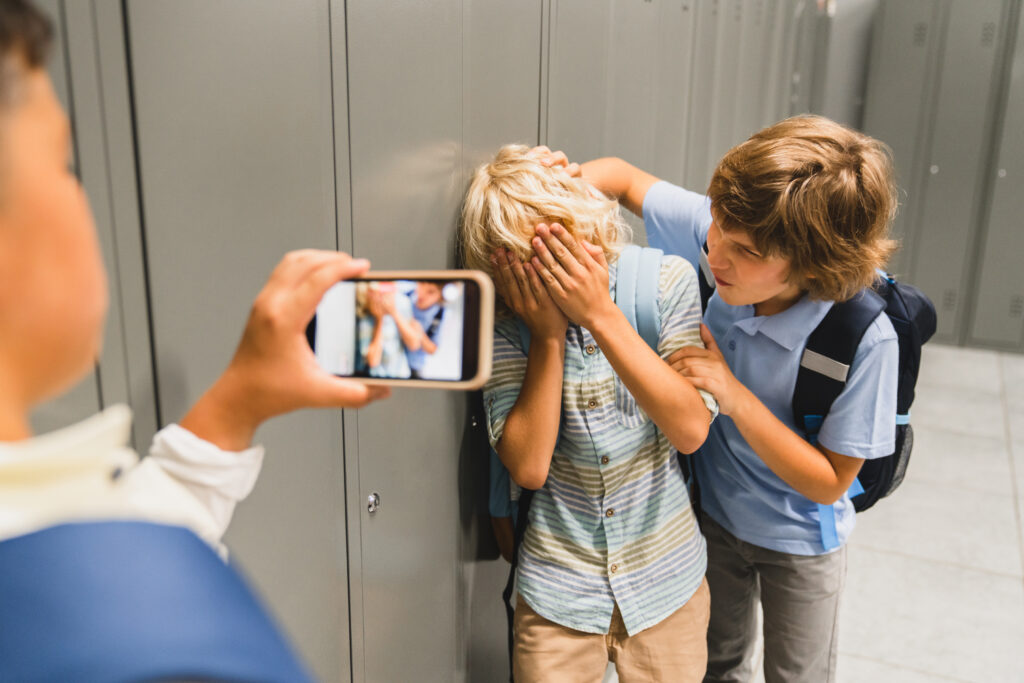
In April 2017, a disturbing video began circulating online that shocked viewers and reignited debates about social media responsibility. The video, recorded and broadcast via Facebook Live, showed a group of individuals assaulting and torturing a disabled teenager over several hours. This wasn’t a short clip or a fleeting moment of violence: it was a sustained attack streamed live to an audience, with bystanders adding commentary as it unfolded.
The incident became known as the Facebook Live torture case, one of the most unsettling examples of live-streamed violence, and a pivotal moment in social platforms’ approach to real-time content moderation.
Brutality on stream
In early April 2017, four people abducted a 16-year-old mentally disabled African-American boy from a homeless shelter in Chicago. They physically assaulted him, forced him to eat cat food, dragged him around by his hair, and subjected him to racist taunts, all under the guise of content creation. One of the attackers uploaded the video and broadcast portions of the assault via Facebook Live.
Instead of intervening, dozens of viewers responded in the live chat with encouragement, emojis, or commentary. At times the commentary was overtly racist and celebratory, compounding the cruelty of the incident.
The video was eventually taken down, but not before it had spread widely, re-uploaded and shared across multiple social platforms.
The aftermath: arrests and prosecution
Chicago police and federal authorities launched a manhunt that identified and arrested four suspects: Trevon Franklin, Avery Gordon, Tony Sweet, and Mason Rogers.
They were charged with various offences including hate crimes, kidnapping, aggravated battery, and criminal sexual abuse. In 2018–2019, all four pleaded guilty to federal hate crime and civil rights violations. Sentences ranged from 9 to 18 years in federal prison, reflecting the severity of both the physical assault and the racially motivated abuse.
In addition to the criminal sentences, the case sparked lawsuits and civil liability claims, with advocates arguing that the attackers’ use of Facebook Live magnified their harm.
Why this crime matters
This incident stands out not just for its brutality but for the way technology was misused. It demonstrated three key concerns about social media and crime:
- Live streaming can amplify violence
Before this case, most social media violence appeared in recorded videos. The idea that an assault could occur live on a platform with real-time viewers was novel and dangerous. It forced users and platforms to confront a new reality: perpetrators could broadcast crimes as they unfolded, with interactive engagement from audiences.
- Bystander response happens online too
The live chat played a chilling role. Some viewers encouraged the attackers, others joked, and only a few expressed horror or tried to report the video. This echoed psychological research on in-person bystander apathy and highlighted that the digital environment can normalize cruelty.
- Platforms weren’t prepared for real-time harm
At the time, Facebook’s moderation systems were largely reactive, relying on user reports and post-hoc review. Live video posed a technical challenge: how do you identify and remove violent content as it is happening? Before this incident, there was no robust system for real-time detection of live abusive acts.
The platform response and policy changing
In response to this and other live-video abuses, Facebook (now Meta) implemented several changes:
- AI-assisted content filtering for live streams
- Human review escalation paths for flagged live content
- Community manager tools to allow trusted moderators to more rapidly remove harmful content
- Partnerships with civil-rights groups to better define policy around violence, hate speech, and exploitation.
Despite these improvements, challenges remain, especially when live streams cross borders and involve nuanced language or cultural context.
This case shows that technology is neutral; humans choose how to use it. A tool meant to connect and share moments can just as easily broadcast harm if left ungoverned.
As live video becomes even more ubiquitous in gaming, events, and everyday communication, the lessons from this case remind us why digital safety, ethical design, and responsive moderation matter. The next violent broadcast may not always be stopped before harm occurs, but with better systems and informed users, its impact can be reduced.
What to do if you encounter live violence on social media
Live-streamed violence places viewers in an unexpected position. Your actions, or inaction, can influence how quickly harm is stopped.
If you see violence unfolding live:
- Report immediately: use the platform’s live video or violent content reporting option. On most platforms, live reports are prioritized over standard posts.
- Do not engage: avoid commenting, reacting, or sharing the stream. Engagement can increase visibility and algorithmic reach.
- Preserve evidence, carefully: if safe and legal in your jurisdiction, note: account name and profile link, date and approximate time, and platform used. Avoid downloading or re-sharing violent content unless explicitly instructed by law enforcement.
- Contact emergency services if appropriate: if the stream shows identifiable locations, imminent danger, or a victim in immediate distress, report it to local emergency services and explain that the incident is occurring online in real time.
- Use trusted reporting channels: some platforms allow escalation through verified user reporting, trusted flagger programs, non-profit or NGO partners focused on online safety.
- Look after yourself: exposure to violent content can be distressing. Step away, mute related content, and seek support if needed. Secondary trauma from online violence is real.
What not to do
- Do not share clips “for awareness”
- Do not attempt to confront perpetrators in comments
- Do not assume someone else has reported it
Platforms often act fastest when multiple, timely reports are received during a live broadcast. Reporting is not passive; it is one of the few interventions available to online bystanders.